Source Gemstone Alloy Jewelry for Gifts, Weddings, and Parties
Explore 30 listings for gemstone alloy jewelry suitable for female buyers. Compare options including 925 sterling silver rings, alloy pendants, and crystal bracelets. Find customized packaging and various plating finishes for anniversary, wedding, and party applications; compare the available evidence and request quotations based on your requirements.
Key considerations
Products List



Comprehensive Sourcing Guide
Gemstone Alloy Jewelry Sourcing Guide
The global market for gemstone alloy jewelry offers diverse options ranging from fashion-forward charms to elegant inlaid rings, with observed listings indicating a price spectrum between $0.02 and $100 per unit. Buyers must navigate a wide array of customization capabilities, where suppliers frequently offer tailored packaging and specific design modifications to meet unique brand requirements. This flexibility allows purchasers to source items suitable for various occasions, including weddings, anniversaries, and formal parties, while maintaining control over the final aesthetic presentation.
Procurement strategies should account for the significant variance in minimum order quantities, which currently span from 50 pieces to over 160,000 units depending on the specific product model and material composition. While some listings highlight high-volume capabilities for mass-market distribution, others cater to smaller batches with lower entry thresholds. Understanding these commercial thresholds is essential for aligning inventory budgets with production schedules, ensuring that the selected supplier can accommodate the desired order volume without compromising on delivery timelines or unit economics.
Product Scope and Observed Listing Signals
Current market observations reveal a distinct segmentation between high-end sterling silver pieces and more accessible alloy-based fashion jewelry, each serving different consumer demographics. Listings frequently feature items like round inlaid rings with AAA cubic zirconia stones set in wax micro-pave settings, alongside simpler alloy pendants and bracelets designed for decorative purposes. The material composition varies significantly, with some products utilizing 925 sterling silver and others relying on stainless steel or various alloy types, necessitating careful verification of the base metal before finalizing any purchase agreement.
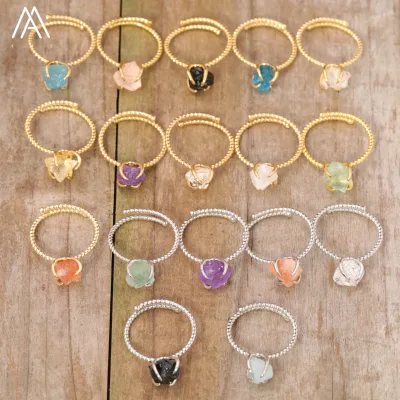
Visual and stylistic attributes observed in the catalog include simple, elegant, and cute designs available in silver, rose gold, and yellow gold plating finishes. The product shapes range from classic round and oval forms to intricate flower and charm configurations, often customized to specific client requests. Buyers should note that while some items are explicitly marketed for female audiences, the underlying alloy and plating technologies allow for broad application across different gender preferences, provided the design language aligns with the target market's expectations for style and occasion.
Technical Specifications to Verify
Verification of material composition is the primary technical requirement, as listings explicitly distinguish between 925 sterling silver, stainless steel, and generic alloy constructions. Buyers must confirm the specific alloy type for each SKU, as the durability and hypoallergenic properties differ substantially between a solid silver ring and a plated alloy pendant. Additionally, the stone specifications, such as the use of AAA cubic zirconia or crystal, require validation to ensure the clarity and color consistency match the visual samples provided in the product catalog.
The fabrication processes and setting techniques also demand rigorous scrutiny, particularly regarding electroplating quality and stone setting methods like wax micro-pave. Specifications indicate that plating options include rhodium, rose gold, and yellow gold, which directly impact the longevity and tarnish resistance of the final product. Furthermore, the weight of individual items, such as the 3.5g specification noted for certain rings, serves as a critical quality indicator that helps distinguish between lightweight fashion pieces and more substantial, premium jewelry items intended for long-term wear.
Compliance and Safety Documentation
While specific certification statuses are not universally listed in the provided product data, buyers must request documentation confirming compliance with international safety standards for jewelry materials. This includes verifying that the alloys used do not contain excessive levels of nickel or lead, which are common regulatory concerns in major markets like the European Union and North America. The absence of explicit certification claims in the initial listing signals that the supplier may require a formal request to provide third-party test reports or material safety data sheets before a contract can be finalized.
Packaging and shipping methods also play a role in compliance, as observed options range from standard OPP bags to customized packaging and major courier services like FedEx or DHL. Buyers should ensure that the chosen packaging solution meets any specific import regulations regarding labeling and material safety for the destination country. Additionally, verifying that the supplier adheres to ethical sourcing practices for any gemstones or metals used is crucial for maintaining brand integrity and avoiding potential supply chain disruptions related to non-compliant materials.
Cost Drivers and Commercial Terms
The final unit cost is heavily influenced by the choice of base material, with sterling silver and stainless steel typically commanding higher prices than standard alloy options. Plating thickness and the complexity of the stone setting, such as the 55-piece stone count on specific rings, further drive up production costs and influence the minimum order quantity thresholds. Buyers must analyze how these technical variables interact with the observed price range to determine the most cost-effective strategy for their specific volume requirements and margin targets.
Commercial terms vary significantly based on the customization level and order size, with some suppliers accepting OEM orders while others maintain strict minimums. The observed MOQ range suggests that smaller orders may incur higher per-unit costs, whereas large-volume purchases can leverage economies of scale to reduce the price point. Negotiating clear terms regarding lead times, payment schedules, and the handling of customized packaging or design modifications is essential to prevent unexpected cost overruns and ensure that the final delivered price aligns with the initial budget projections.
Supplier Qualification and Quality Control
Supplier qualification should prioritize those who demonstrate a clear capacity for customization, as evidenced by the availability of tailored packaging and design modifications in the product listings. Buyers must assess the supplier's ability to maintain consistency across large production runs, particularly when dealing with complex settings like wax micro-pave or specific plating finishes. The presence of multiple product models and styles indicates a versatile manufacturing base, but verifying their quality control protocols for plating adhesion and stone security is critical to preventing defects in the final shipment.
Quality control measures must extend beyond the initial sample approval to include in-process inspections and pre-shipment audits. Given the variety of materials from alloy to sterling silver, suppliers should have distinct testing procedures for each material type to ensure durability and finish quality. Buyers should request detailed quality assurance reports that cover plating thickness, stone setting integrity, and overall dimensional accuracy to ensure that the delivered goods meet the specified technical requirements and aesthetic standards.
Long-Term Procurement Checks
Establishing a long-term partnership requires regular performance reviews focused on consistency in material quality and adherence to agreed-upon specifications. Buyers should monitor the supplier's ability to maintain the same plating quality and stone clarity over multiple production cycles, as variations in electroplating or stone sourcing can significantly impact the perceived value of the jewelry. Continuous communication regarding design updates and material availability ensures that the supply chain remains agile and responsive to changing market trends and consumer preferences.
Sustainability and supply chain transparency are increasingly important factors for long-term procurement success, even if not explicitly detailed in the initial product data. Buyers should periodically verify that the supplier continues to source materials responsibly and maintains compliance with evolving environmental and safety regulations. Building a robust relationship with the supplier allows for better negotiation of future terms, including potential reductions in lead times and more favorable pricing structures as order volumes grow and trust is established over time.
FAQs
What materials are used in the listed jewelry?
The available jewelry is crafted from 925 Sterling Silver, Alloy, Crystal, and Stainless Steel. Specific items include sterling silver rings with AAA CZ stones and alloy pendants. Buyers can select materials based on durability preferences and budget constraints for different occasions.
Can I customize the packaging for my order?
Yes, customization is available for packaging. Options include OPP Bags, custom packages, and specific carton configurations like 12 pairs per large OPP bag. Buyers can request tailored packaging solutions to meet their branding requirements or specific shipping needs for bulk orders.
What is the minimum order quantity for these items?
The minimum order quantity varies by product. Some items have an MOQ of 500 pieces, while others range up to 160,000 pieces. Buyers should check specific product models for exact MOQ requirements to ensure their order volume meets the supplier's production thresholds.
Which styles are available for female jewelry?
Available styles include Simple, Elegant, Fashion, Cute, and Natural. Products feature designs like round rings, flower pendants, and oval shapes. These styles cater to various occasions such as weddings, anniversaries, parties, and formal events, offering versatile options for female consumers.
Are OEM orders accepted for these products?
Yes, OEM orders are accepted for many items. Suppliers support customized production, including specific models and packaging. Buyers can request original equipment manufacturing services to create unique jewelry pieces that align with their brand identity and specific design specifications.
What plating options are available for silver rings?
Silver rings offer Rhodium, Rose Gold, and Yellow Gold plating options. These electroplating processes enhance the appearance and durability of the 925 Sterling Silver base. Buyers can choose plating colors to match specific design aesthetics or customer preferences for their jewelry collections.